Written by
Econnecz Team



Written by
Econnecz Team

Post date
*

Comments
*

Artificial Intelligence (AI) is reshaping business decision-making. Beyond automating routine tasks, AI transforms raw data into actionable insights, enabling companies to respond quickly to market changes, optimize operations, and improve customer experiences.
Organizations that strategically adopt AI in decision-making gain a competitive edge, streamline workflows, and deliver personalized solutions. By integrating AI thoughtfully, businesses can convert insights into impactful actions that drive growth, efficiency, and innovation.

AI is not just analyzing data. It’s empowering businesses to make faster, smarter and more strategic decisions.
AI-powered decision-making empowers organizations to forecast trends, optimize operations, and enhance customer experiences. Machine learning models analyze historical and real-time data to predict market shifts, demand patterns, and consumer behavior, enabling companies to act proactively rather than reactively.
By anticipating changes, businesses can reduce risk, allocate resources efficiently, and maintain a competitive edge in dynamic markets. Operational efficiency improves as AI identifies inefficiencies, streamlines workflows, and allocates resources intelligently.
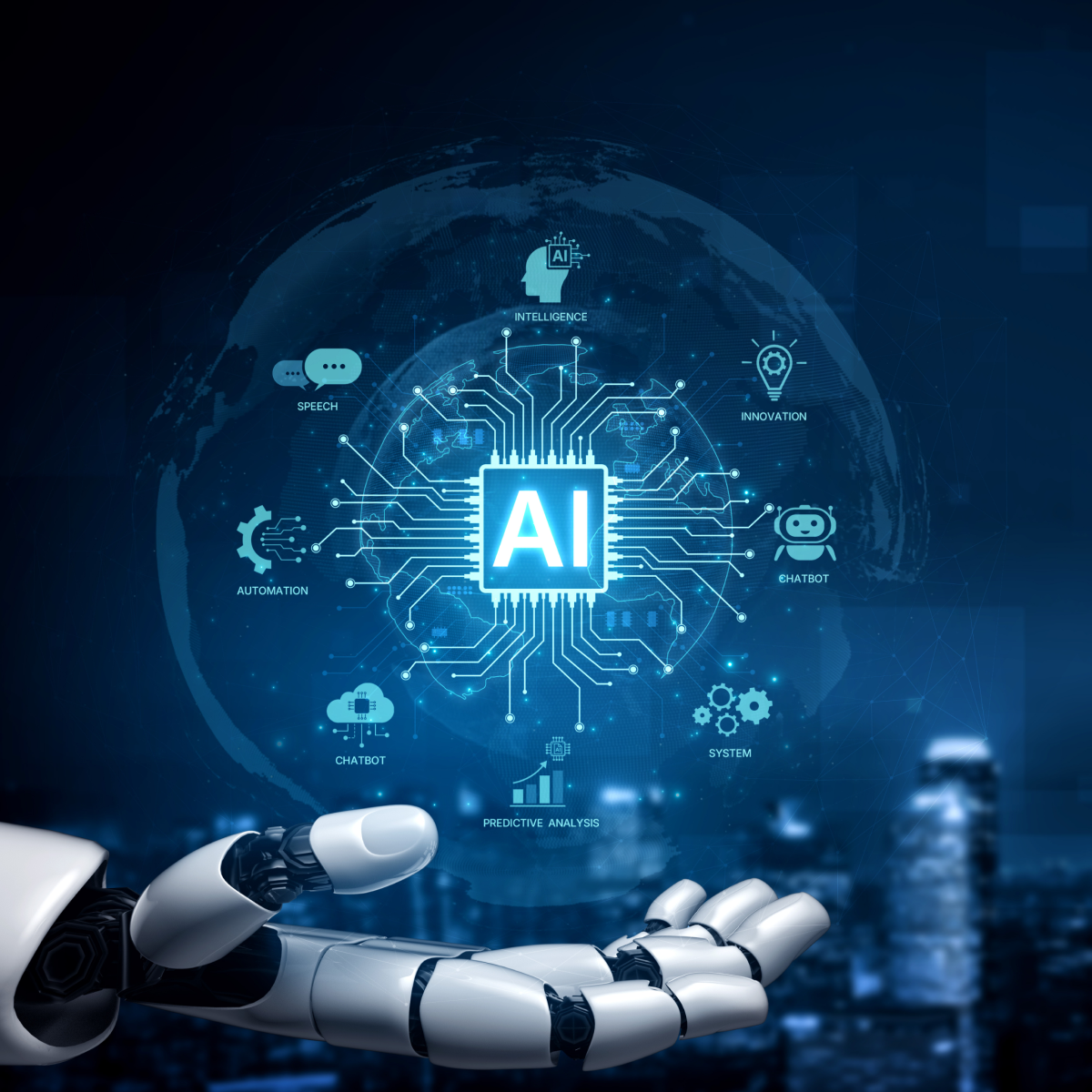
Personalization at scale becomes possible by analyzing behavioral patterns and preferences, driving higher engagement, customer satisfaction, and loyalty. Strategic adoption of AI accelerates decision-making cycles, reduces errors, and provides insights that support smarter, faster business actions across industries.
Real-world use cases highlight the transformative power of AI. Walmart leverages AI to optimize supply chains and inventory decisions, predicting demand fluctuations and automating restocking to reduce waste, ensure product availability, and improve customer satisfaction.
Similarly, UPS uses AI-driven predictive analytics to optimize delivery routes based on real-time traffic, fuel efficiency, and package priorities, saving millions in operational costs while improving delivery reliability. Across industries, AI drives impact.
In finance, it analyzes credit risk, detects fraud, and supports investment strategies. In healthcare, it predicts disease outbreaks, assesses patient risks, and optimizes treatment plans. In retail, it forecasts buying trends, recommends products, and dynamically adjusts pricing strategies.
In manufacturing, predictive maintenance ensures machines operate efficiently, reducing downtime and costs while improving productivity.
AI-driven decision-making enables businesses to act with speed, precision, and confidence. Companies that integrate AI strategically gain a competitive advantage, enhance operational efficiency, and deliver superior customer experiences.
The future of digital transformation lies in intelligent orchestration, where people, processes, and technology work together to achieve more than ever before.
The future belongs to businesses that transform insights into actionable strategies, turning data into growth, innovation, and measurable results.
Leave a Comment
Your email address will not be published. Required fields are marked